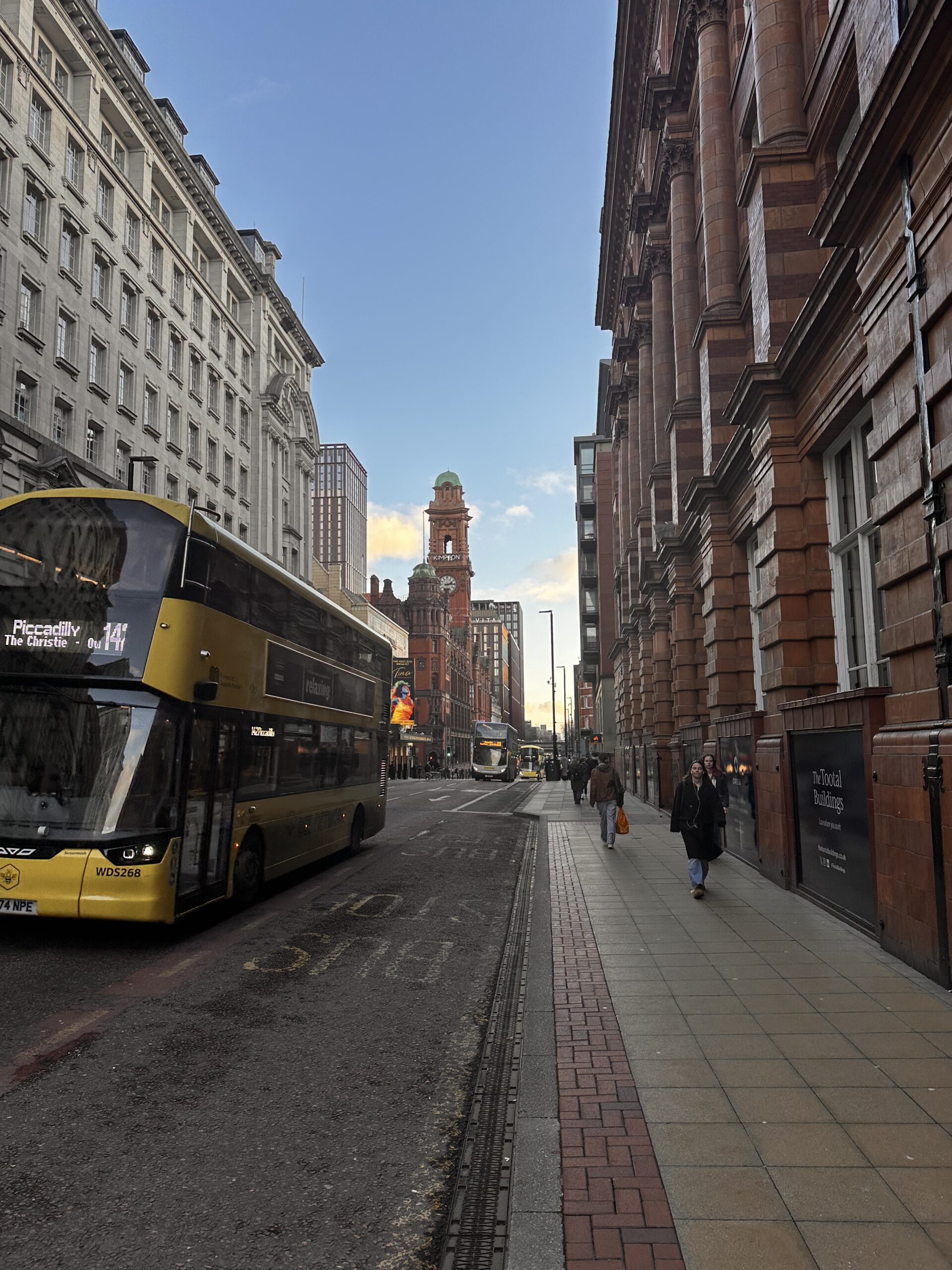
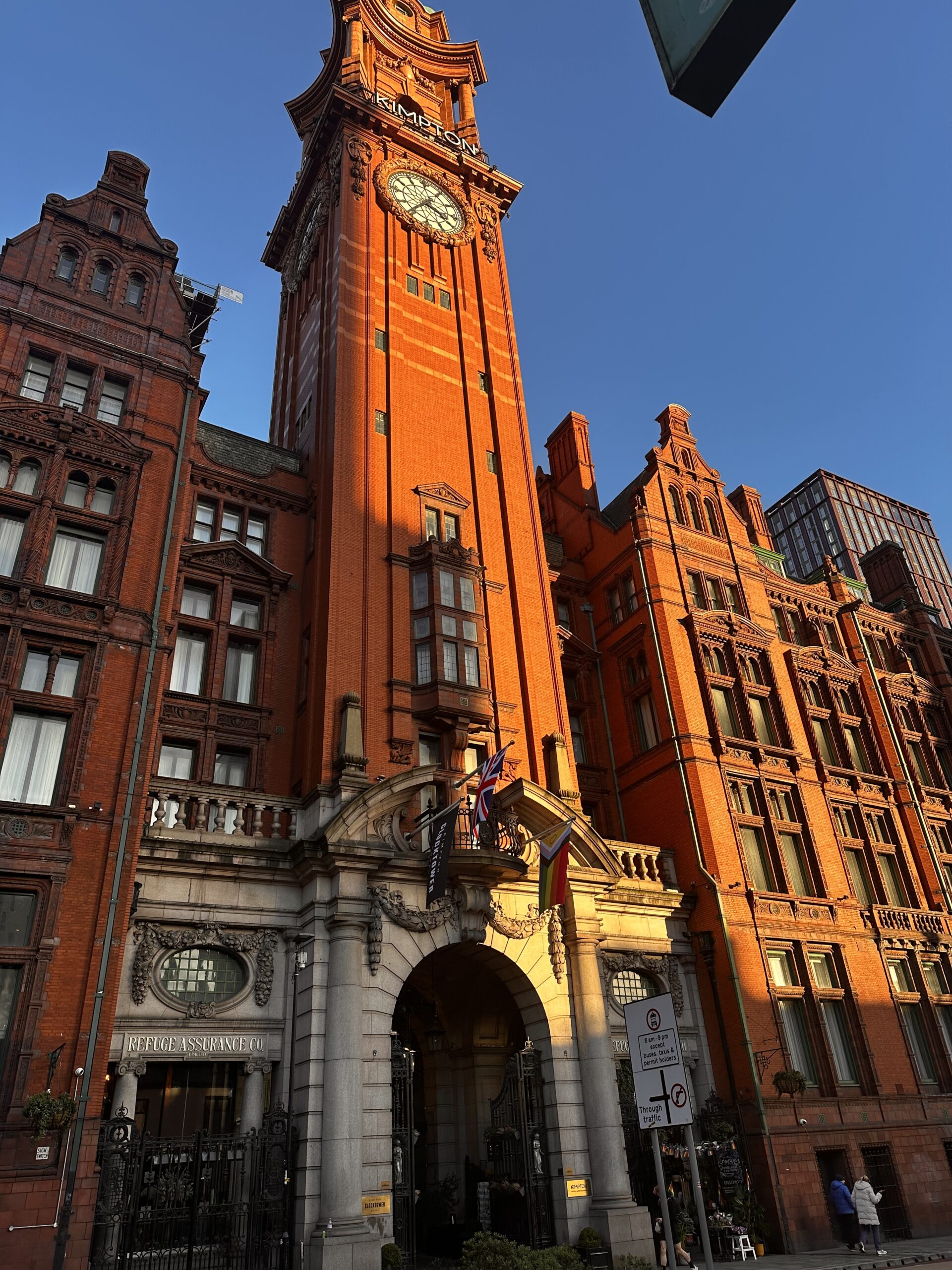
 The Kimpton Clock Tower Hotel in Manchester always captures my attention whenever I’m in the city center. Its intense red brick walls and towering clock never fail to stand out as one of Manchester’s most memorable sights. But behind this impressive facade lies an even richer story. The hotel’s current status as a luxury destination is only the latest twist in a history filled with industry, ambition, reinvention, and legend. When you understand the twists and turns that shaped this landmark, each visit seems to offer something new to appreciate.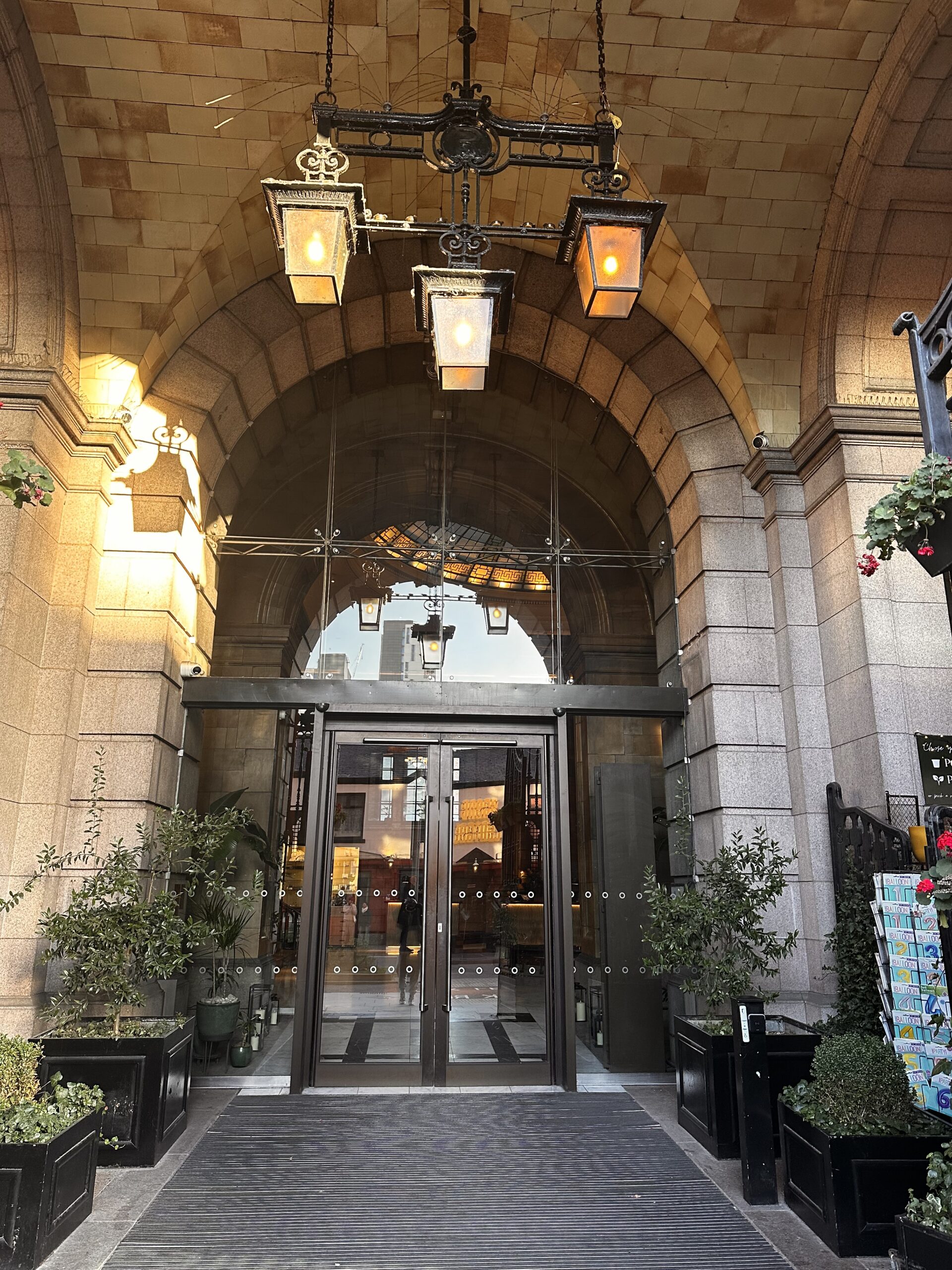
Origins: The Refuge Assurance Company Headquarters
Before welcoming guests from across the globe, this corner of Oxford Street buzzed with insurance workers and business chatter. Construction kicked off in 1891, purpose-built for the Refuge Assurance Company as its expanding operational home. The famous architect Alfred Waterhouse—known for masterpieces like Manchester Town Hall and London’s Natural History Museum—mapped out the first vision. His preference for terracotta and rich red brick gave the exterior its unforgettable glow, catching both sunlight and the eyes of passersby. During the next forty years, Alfred’s son Paul Waterhouse and fellow designer Stanley Birkett carefully expanded the structure, matching materials and style until, by 1932, the great edifice took the form we know today, complete with all the amenities progressive businesses needed.
Whenever I pass this landmark, it’s easy to picture another era of office life: rows of clerks, smartly dressed, moving through sunlit corridors, surrounded by marble, elaborate tiling, and stately staircases—details not just for show, but to broadcast a promise of solidity and reliability to every client who stepped inside.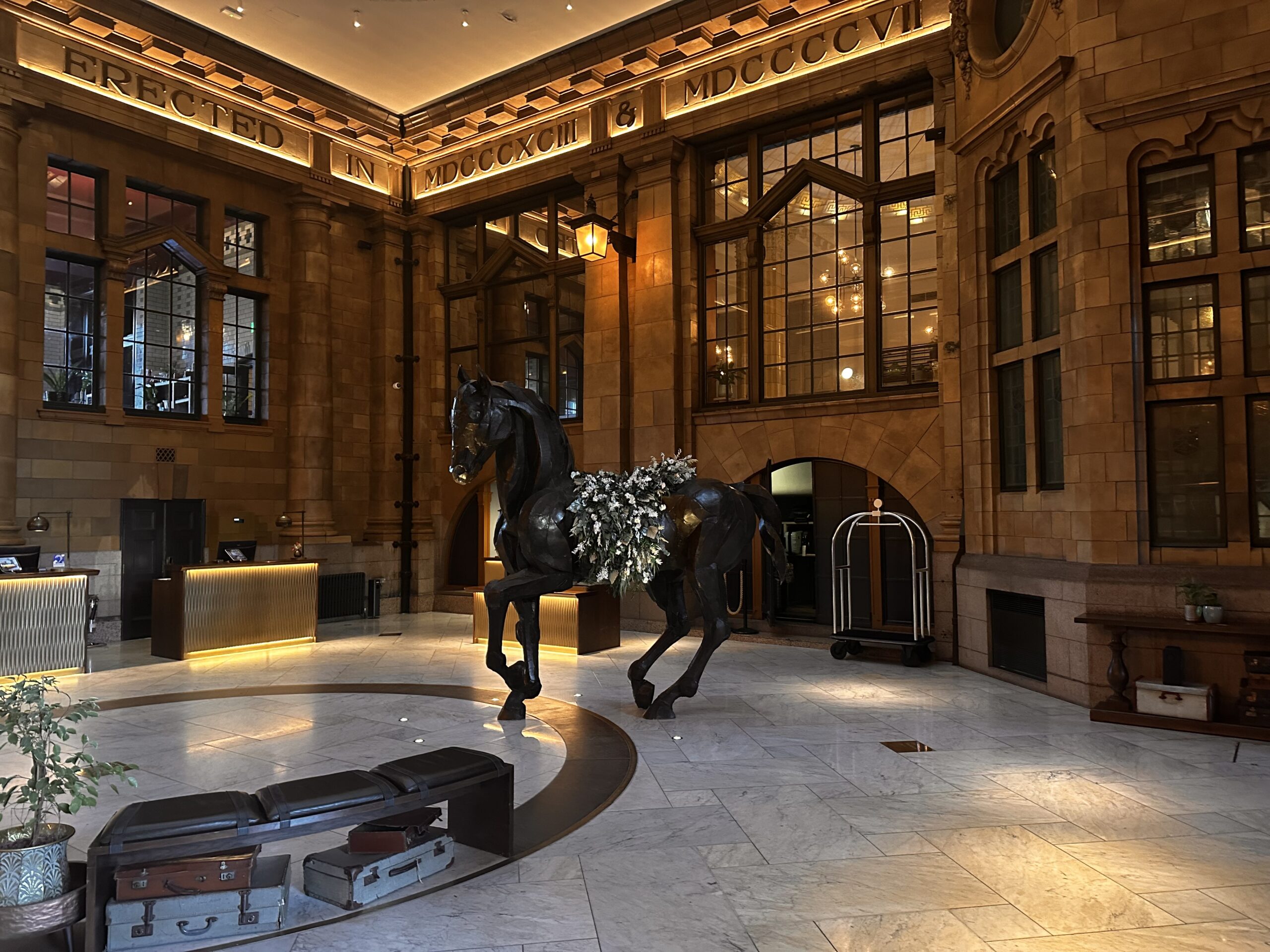
The Rise of the Clock Tower
It’s the clock tower, though, that continually draws the most attention—an eye-catching, 66-metre (217-foot) beacon added in 1912. For architecture admirers like me, it does more than decorate the skyline; it tells a story of Manchester’s industrial confidence and the insurance firm’s desire to plant its flag high above the city. Clock towers in that era signaled modernity and power, visible reminders of a company’s success. With four massive clock faces, everyone from commuters hopping off trams to shoppers hurrying across busy intersections could easily check the time. For decades, the Refuge name became tied with this soaring landmark and the rhythm of Manchester days.
Inside Details: Heritage and Memories
The Refuge Assurance Company didn’t just create offices—they built a layered community. Take the hotel’s grand ballroom: today it hosts glamorous gatherings and weddings, but it began as a stately canteen where men and women workers ate at separate tables, reflecting the customs of the era. Much of the ornamentation endures; the interiors boast intricate tile mosaics, colorful stained glass, and marble pillars that give every arrival a sense of occasion. One standout relic is the glass dome above the lobby, salvaged from St Andrew’s railway station in Scotland and installed here. Every time I pause beneath it, I’m reminded of how Manchester’s history is enriched by stories and materials from far beyond its own boundaries.
Other parts of the hotel whisper of the building’s past life: tucked-away stairwells, original wooden doors, and the echoes of footsteps that once marked daily routines. Even the current bar—aptly named The Refuge—pays subtle tribute to the workers and city dwellers that made the site their own.
From Insurance Offices to Empty Landmark
Progress, of course, brings change. By the 1980s, the Refuge Assurance Company had grown beyond its traditional headquarters. In 1987, they relocated, leaving behind a magnificent but empty shell. Empty buildings like this often risk being lost to neglect; for a decade, the Clock Tower stood silent, watching life swirl around it as pigeons, dust, and fading memories moved in. As the city raced forward with new industries and trends, the quiet grandeur of this building became almost ghostly, a reminder of Manchester’s legacy that seemed poised on the brink of being forgotten entirely.
Conversion to a Hotel: Palace, Principal, and Kimpton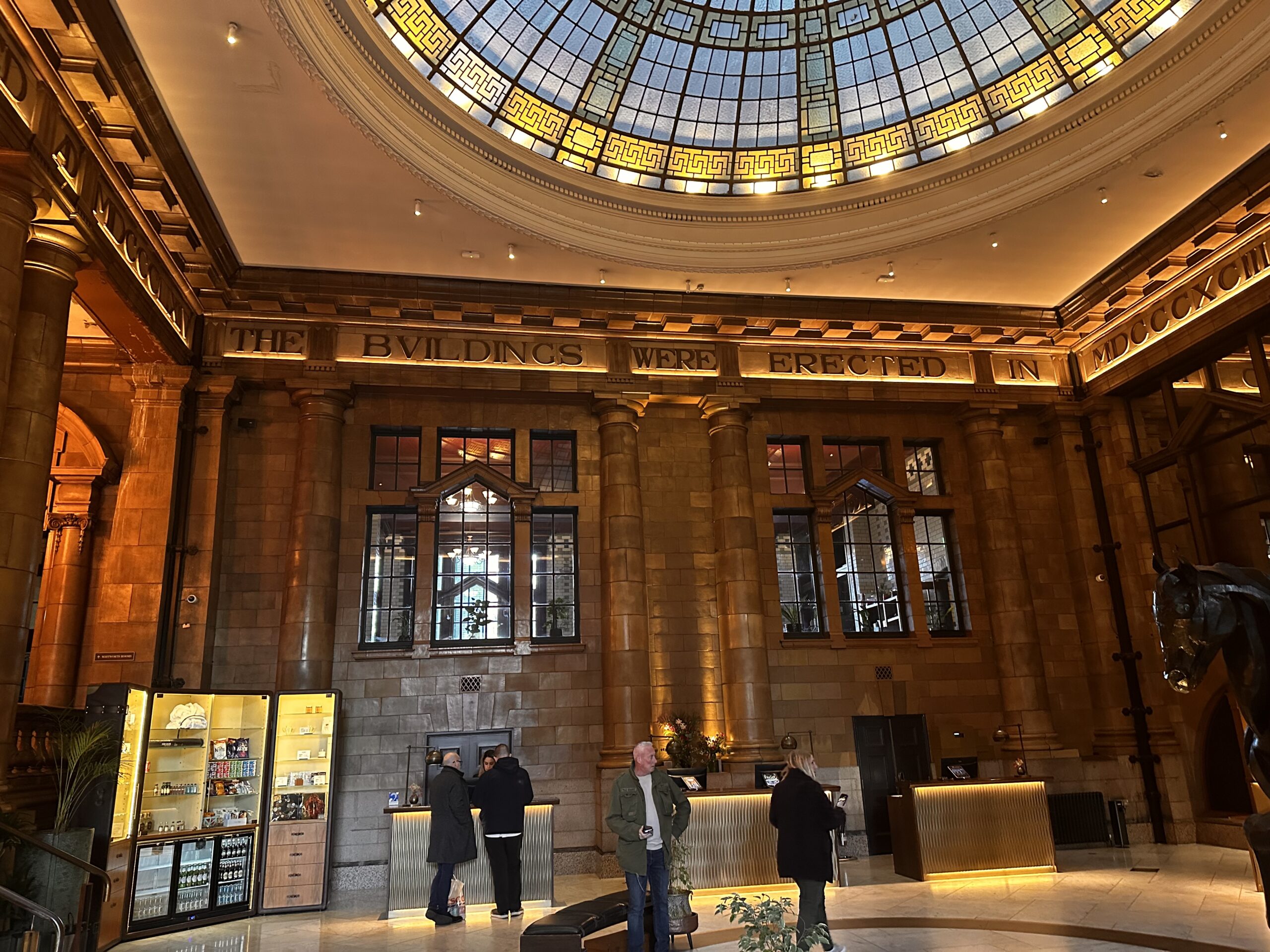
Giving fresh life to heritage buildings calls for vision and tenacity. In the mid-1990s, developers saw an opportunity: the grand scale and artistry of the Refuge building could make an unforgettable hotel. After years of careful restoration and conversion, doors reopened in 1996 as the Palace Hotel, bringing guests and activity back. Locals quickly talked up the transformation, spotlighting its arrival as a must-see Manchester address. Over time, the hotel changed hands and brands—briefly called Le Méridien Palace Manchester, then The Principal Manchester. At each step, teams updated amenities for travelers while determinedly protecting the historic character that made the site special.
In October 2020, following a detailed renovation aimed at preserving period features while adding Kimpton’s laid-back luxury, the hotel launched with its current identity. The name “Kimpton Clock Tower Hotel” shines a spotlight on its best-known feature and connects the building’s legacy to a modern, international crowd. Now, it’s a destination for visitors seeking both comfort and a direct connection to Manchester’s personality.
Key Features That Make the Building Unique
- Red Brick and Terracotta Facade: This classic Victorian Gothic look glows especially bright under sunlight—its patterning and bold colors set it apart from more standard city blocks.
- Iconic Clock Tower: Beyond helping with directions, it’s a time-honored symbol of the city’s industrial vigor and ambition.
- Grand Interior Spaces: Soaring ceilings, intricate stained glass, and original tilework create a feeling of timelessness in every hallway and lounge you enter.
- Ballroom with History: Once a canteen for staff, now one of the city’s most sought-after venues for parties, weddings, and events—all while sharing echoes of decades past.
- Repurposed Glass Dome: Rescued from a Scottish train station, this unique feature adds another layer of history to the hotel lobby—something you won’t stumble upon in a cookie-cutter modern building.
Hauntings and Local Legends
City legends give historic sites an added thrill, and the Kimpton Clock Tower has its share of ghost stories. According to Manchester folklore, a grieving war widow once took her life from the upper floors, and some nights, visitors say they hear soft footsteps or catch shadows gliding across the oldest stairwells. Staff members and guests have talked about cold drafts, unexplained noises, or feelings of being watched—from gentle encounters to bumps in the night. Whether you’re spooked easily or just appreciate a good tale, these legends fuel the hotel’s mystique and anchor it as a central character in local lore.
Why Preservation Matters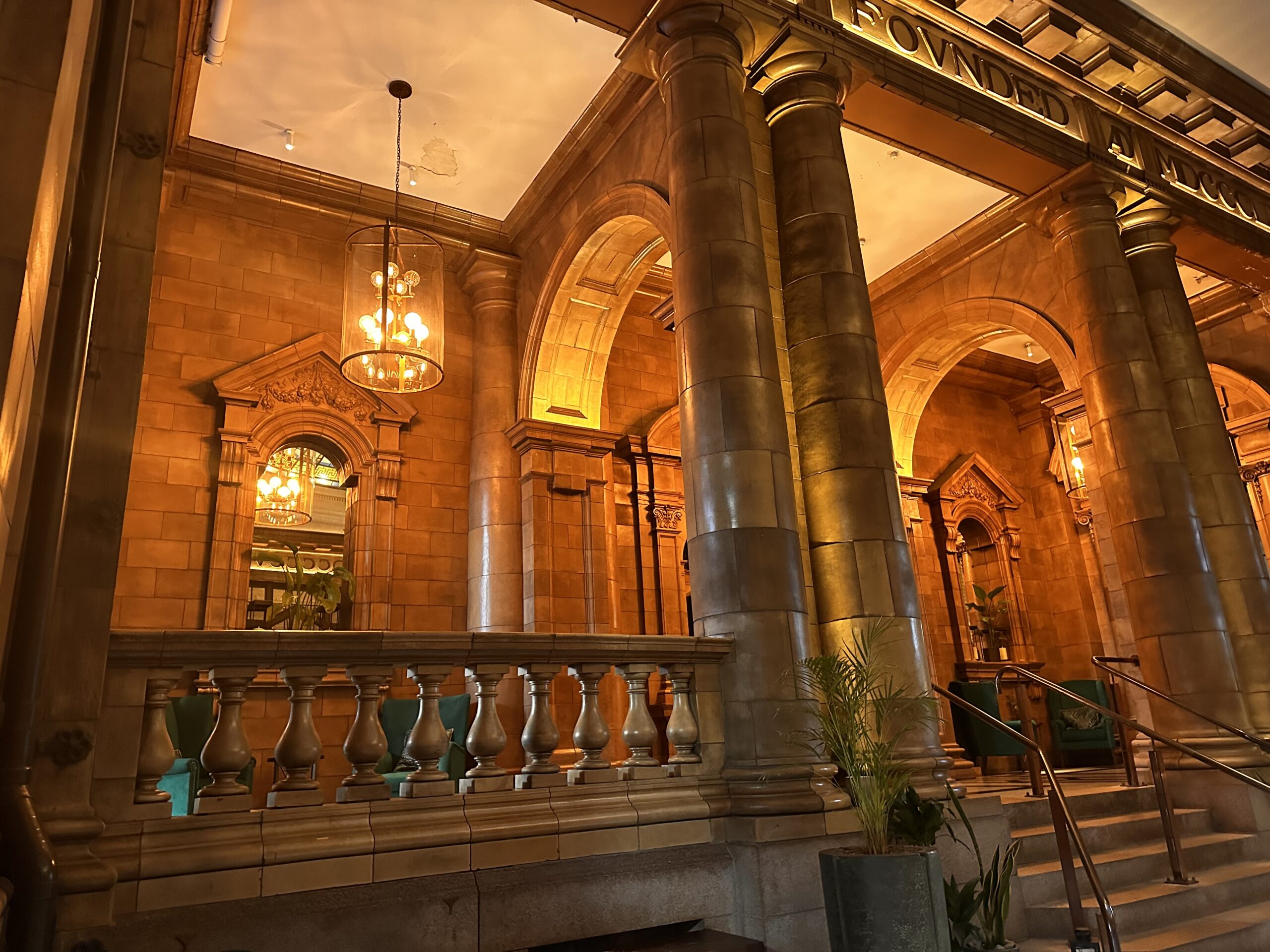
Manchester’s architectural gems from the Victorian and Edwardian eras offer a vital link to its industrial origins, this hotel included. Seeing the Kimpton Clock Tower still standing proud and bustling proves how new uses can breathe fresh energy into classic buildings. Each time I step through its doors, I’m inspired by how architects and craftsmen of the past created structures built to last, inviting us to reimagine their purpose for modern needs. With so many historic sites lost to demolition or neglect, saving and reviving this one helps secure Manchester’s character for future generations.
It’s not just nostalgia—it’s about welcoming visitors, sharing stories, and making history part of daily life instead of sealing it away. The Kimpton Clock Tower manages to blend comfort, intrigue, and legacy, reminding everyone that old walls don’t just hold the past—they anchor the city’s next chapter.
Frequently Asked Questions
Question: Who was the original architect behind the building?
Answer: Alfred Waterhouse designed the first section, while his son Paul and colleague Stanley Birkett kept to the same style through ongoing expansions.
Question: When was the famous clock tower built?
Answer: The clock tower was completed in 1912 and quickly became an instantly recognizable marker in Manchester’s cityscape.
Question: What old features have survived inside the hotel?
Answer: You can track down original mosaic tile flooring, stained glass details, marble pillars, and the remarkable glass dome ceiling over the lobby, all lovingly preserved.
Question: Do people think the hotel is haunted?
Answer: Plenty of legends swirl around the building, typically focused on ghostly presences following a tragic event. Whether you believe or not, many agree the atmosphere is charged with stories from the past.
Today, staying at or simply visiting the Kimpton Clock Tower Hotel means stepping into more than a century of Manchester’s living history. The building pays tribute to its roots as a center for business and ambition, and its reinvention as a destination hotel welcomes travelers from around the globe. Around every corner, new comforts sit alongside lovingly preserved details from earlier eras, making each visit memorable for me—and for all others who wander through its doors, drawn by curiosity and a sense of the city’s enduring spirit.